
Hot products
English


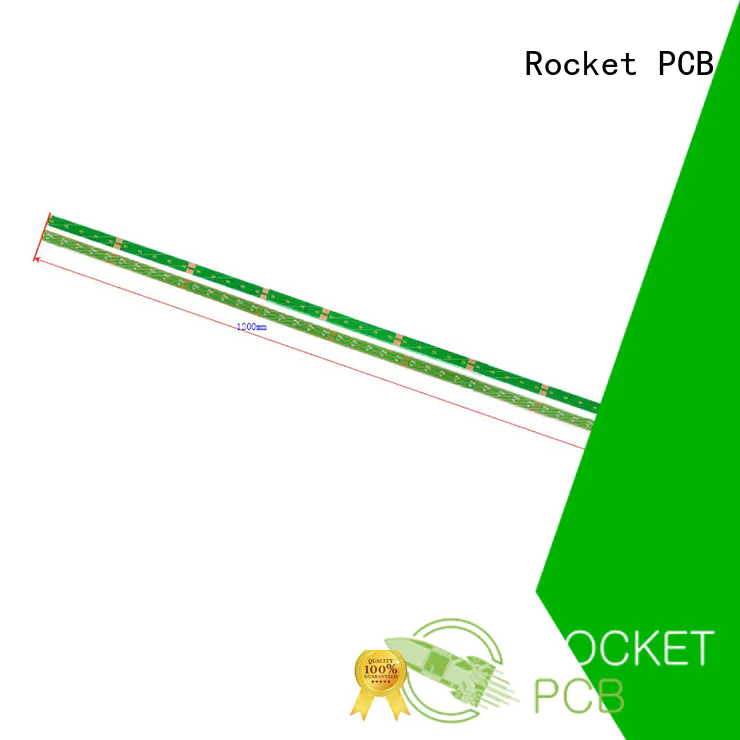
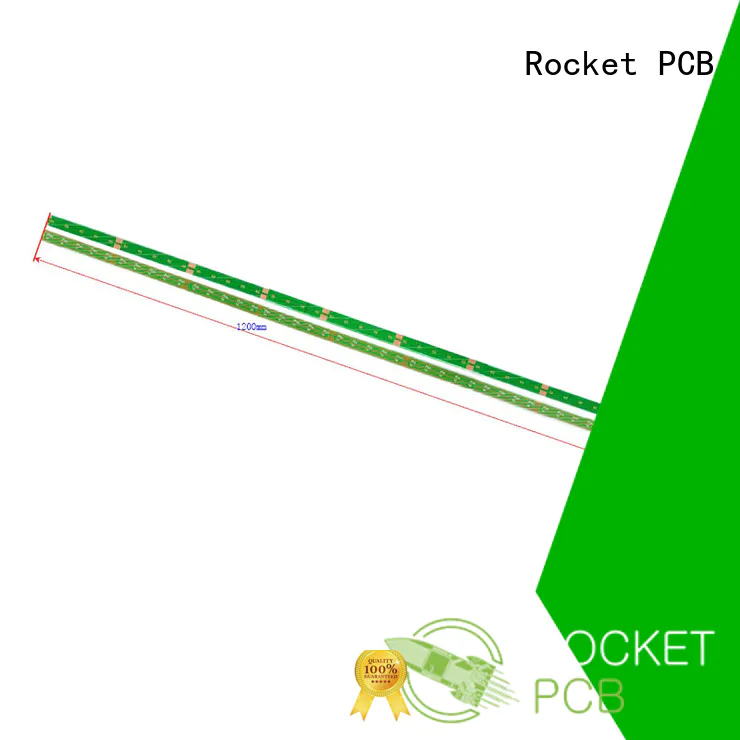
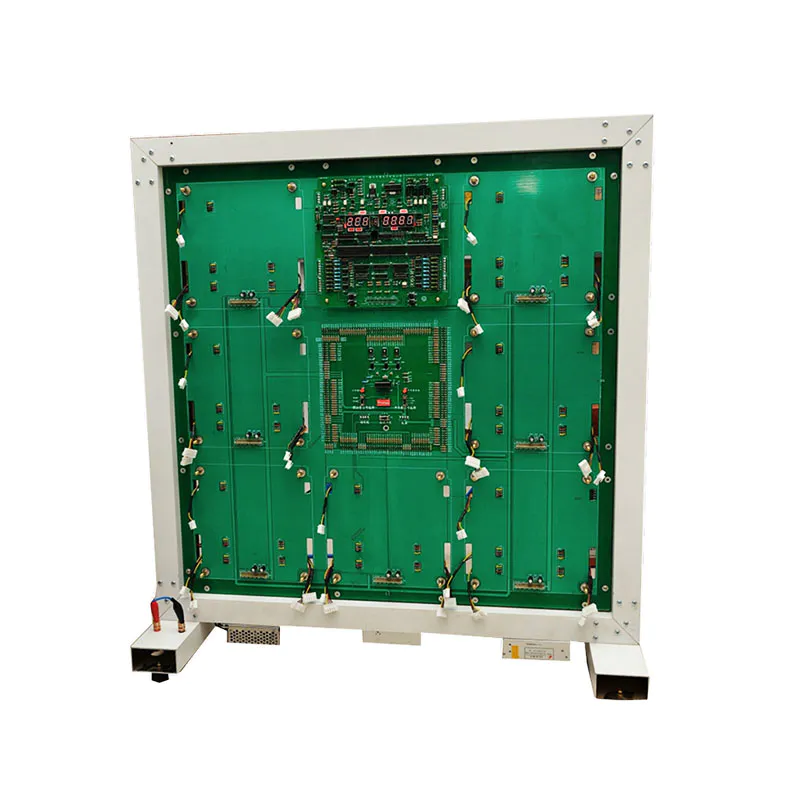
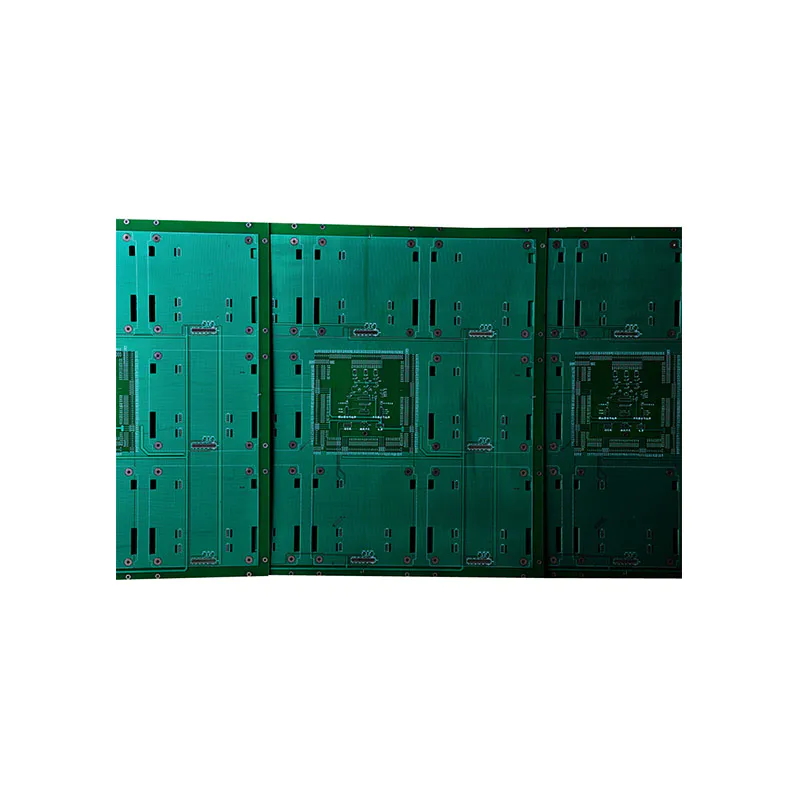
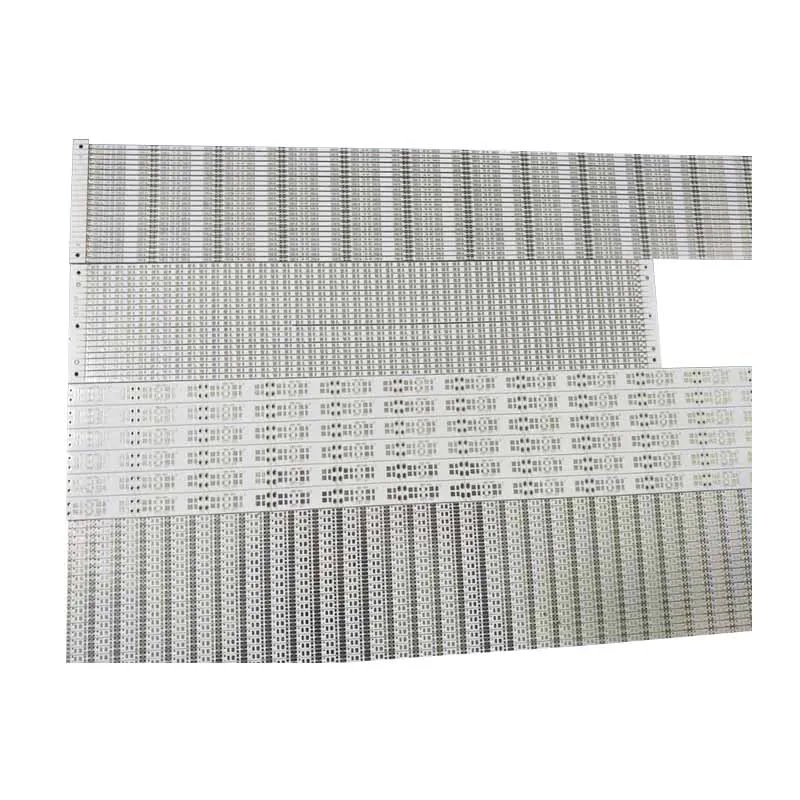
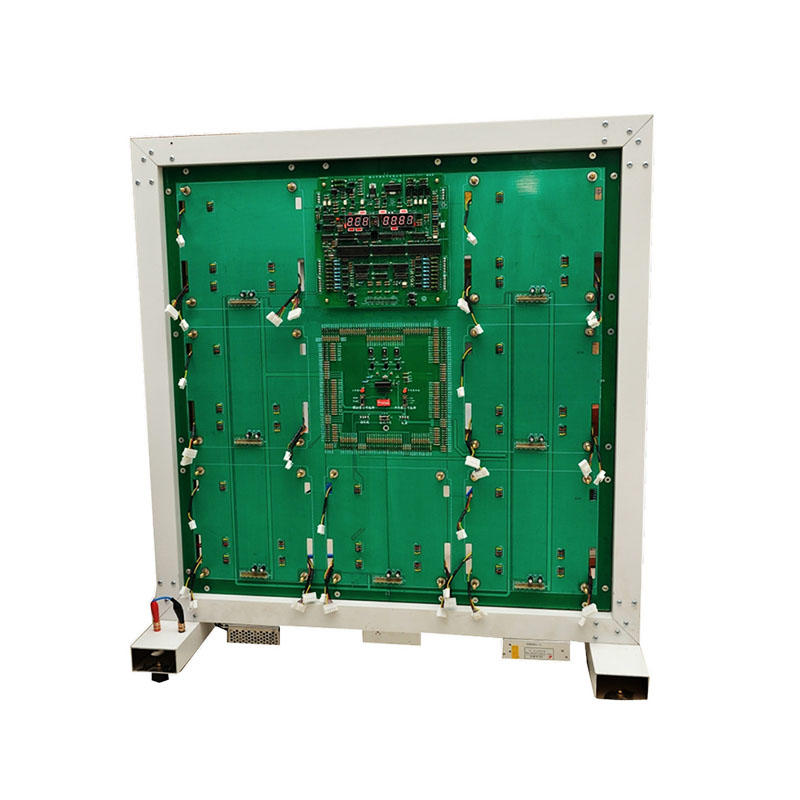
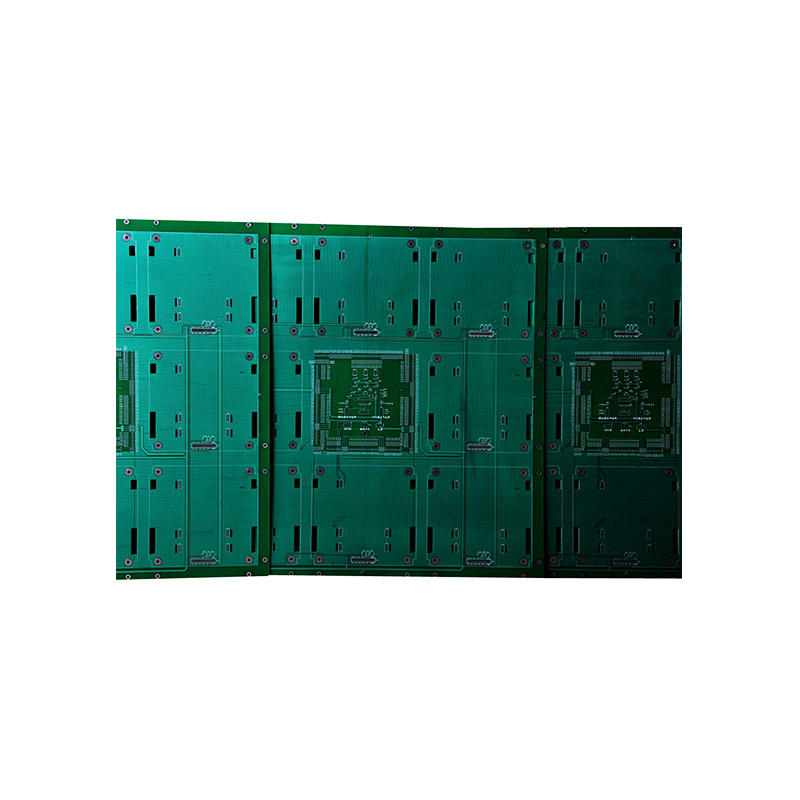
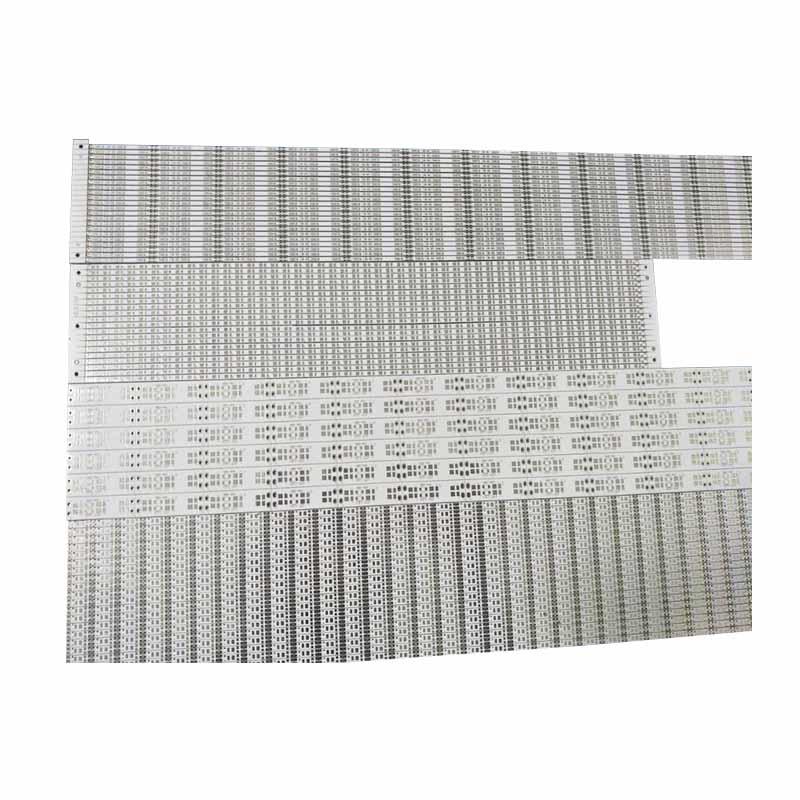
Rocket PCB has invested heavily in the production of large-size PCBs.Its unique feature allows us to build up to 24 inches of PCB with almost any material type. We produce a wide range of large products every week, from Teflon base station antennas to FR-4 lighting structures for commercial airliners.
From prototyping to mass production, Rocket PCB offers a rich experience and advanced technology to support the most demanding projects.
Whether your business involves the industry of GPS, microwave, small cell, automotive or marine, we are able to provide you with the right solution and we are always updating our technology offerings, so please contact us to get the most current information.
◪ 24 hour real-time technical support Quick turn around with 24
hours and instant quote.
◪ Effective and flexible PCB engineering solutions save your cost. We always put
the best interests first when providing innovative solutions for
manufacturing customers’ products,we are more willing to help customers grow.
◪ Rapid feedback on the layout,build-up, panels,
impedance, material selection, design rules, manufacturability,
costs of different solutions, use of micro vias, gold plating, special
laminates, etc.
◪ Strong partnerships with different reputed material suppliers such as
Rogers, Arlon, Nelco and Taconic can realize a fast service to a wide
range of PCB applications.
◪ Dozens of tests such as open/short
circuit testing( ET test), AOI, X-ray, impedance testing, solderability
testing, thermal shock testing, metallographic micro-slicing analysis,
halogen-free testing, etc.100% outgoing pass rate.
◪ Complete services from free DFM, traceable manufacturing to complete after-sales service, on time delivery 99%.
◪ We will keep secret for customer sale area,design ideas, drawing and all other private information.
◪ Flexible payment terms. Samples for 100%TT, mass production payment: 50% advance payment 50% balance should be paid off before loading or accept monthly statement if the order is stable.








Quick Links
About Us
Contact Us
Tel:(+86) 158 9965 5195
Office:(+86) 755 23040566
E-mail:sales@rocket-pcb.com
Microsoft Teams:hank_168
WhatsApp:+86 186 0723 3179
Office Address:2207,Bid 4,He Gu Shan Hui Cheng,35#,Guang Tian Ro Yanluo street, Song Gang Town,518105 SHENZHEN, CHINA
Plant ADD: No 69, Lianfeng North Road, Xianxi Area, ChangAn Town, Dongguan, China.